


Limestone County family farm, founded by a formerly enslaved man in 1877, was a featured stop for national leaders weighing the future of rural land and power
By SPEAKIN’ OUT NEWS
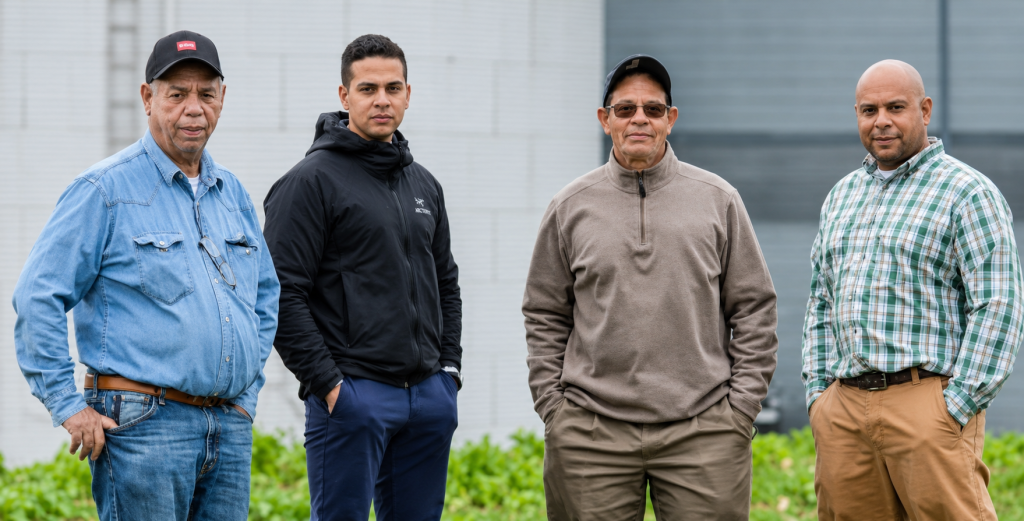
In 1877, a formerly enslaved man named George Bridgeforth began farming in Limestone County. Nearly 150 years later, his family’s farm is one of the most successful Black-owned agricultural businesses in the South.
Bridgeforth Farms, now in its fifth generation of family ownership, works more than 10,000 acres across North Alabama, WHNT reports. The family grows soybeans, corn, wheat, canola, sorghum, and cotton, according to the U.S. Sustainability Alliance.
That cotton has found its way into national brands. In 2022, Bridgeforth cotton was used in Target’s Black History Month T-shirts. In late 2023, Victoria’s Secret named the farm one of four North Alabama cotton suppliers for its spring 2024 collection, WHNT reported. The family has also launched its own workwear label, Bridgeforth Cotton.
“Anytime there are fewer intermediaries in between the end user and us, that’s generally a little more profit for us,” Bill Bridgeforth told WHNT.
Last week, the farm was listed as a featured tour stop on Groundswell’s Rural Renaissance Roadshow, a national gathering held Nov. 4–6 at the Cook Museum of Natural Science in Decatur. The event brought together farmers, utilities and local leaders to discuss how AI data centers are affecting rural land, water and electricity bills.
The question matters for Black landowners. Black farmers operate only about 1.5% of U.S. farms, according to the Sustainability Alliance.
“We’re part of a dwindling population; there’s certainly not a lot of Black farmers,” Kyle Bridgeforth, Bill’s son, told the alliance.
The Bridgeforth story is a reminder that land held across generations is wealth, and that North Alabama’s Black families have a stake in decisions about who uses rural land and on what terms.
Learn more at bridgeforthfarms.com.