


Google promises to cover its expansion costs. Communities still need clear answers about power, water, and the benefits they will receive.
SPEAKIN’ OUT NEWS
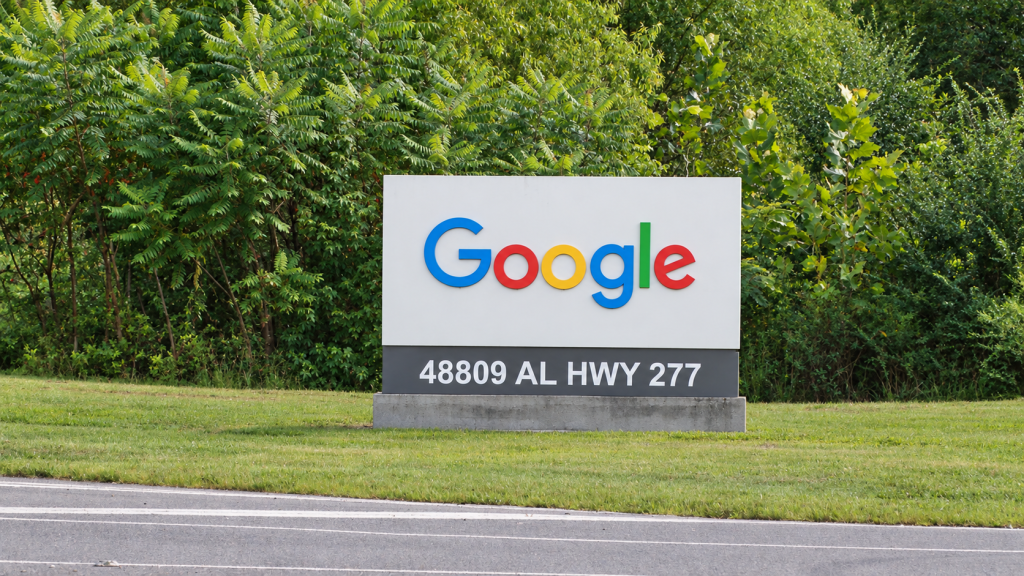
A $1.5 billion expansion in Jackson County is putting North Alabama at the center of a question being asked wherever large data centers are built: What does a community gain, and what must it provide?
Google says it will invest that amount during 2026 and 2027 to expand its campus at a former coal plant site. The company says it will fund 100% of its own power and infrastructure costs. It has also announced a $2 million Energy Impact Fund with the Tennessee Valley Authority and CAANEAL for local energy efficiency and weatherization programs, plus $550,000 for science and technology kits for students in grades four through eight.
Those commitments are substantial. They also make the project’s terms worth examining closely.
Residents need to know how Google’s promise to cover power and infrastructure costs will be implemented, how those costs will be measured, and whether future expansion could require additional work on the regional electric system. The answers should be available in agreements and utility plans that can be explained in plain language.
The stakes extend beyond Jackson County. In Huntsville, the City Council recently approved an adjustment aligning electric rates for data centers with changes made by TVA. Reporting on the council meeting said the change would not affect residential rates. That distinction matters: families want assurance that the cost of serving a particularly large customer will stay with that customer as electricity demand grows.
Google says its Jackson County operation generates hundreds of full-time and construction jobs and that its Alabama work has helped train more than 130,000 people in digital skills. Its newly announced student funding and weatherization program could bring more direct benefits to nearby households. A full accounting should show how many permanent jobs are local, what they pay, and which communities receive the promised programs.
Water deserves equally specific attention. Google cites work supporting stewardship in the Paint Rock River watershed. Residents need a clear account of the expanded campus’s water source, expected use, cooling approach, and plans for periods when other users face supply pressure. A conservation contribution is valuable, but it does not answer every question about a facility’s own demand.
None of these questions establishes that the expansion has raised household bills or strained local water systems. Those claims require records and evidence. The point is to make the costs, safeguards, and benefits visible while decisions can still be scrutinized.
Local leaders and the company can build trust in practical ways. Publish the terms governing new electric service. Show which infrastructure improvements the company will pay for and how the utility will verify payment. Report water use and the steps taken to protect other users. Track promised jobs and community funding after the announcements leave the headlines.
North Alabama has long sought major investment and skilled employment. Google’s expansion may deliver both. But the size of a corporate investment alone cannot tell families what will happen to their bills or how their communities will change.
The strongest measure of this project will come years from now: whether residents can point to good jobs, useful school and household programs, dependable utilities and a public record showing that the company paid the costs it promised to cover.
Sources: Google’s June 15, 2026, Jackson County expansion announcement; Axios Huntsville’s September 28, 2026, City Council coverage.