

By SPEAKIN’ OUT NEWS
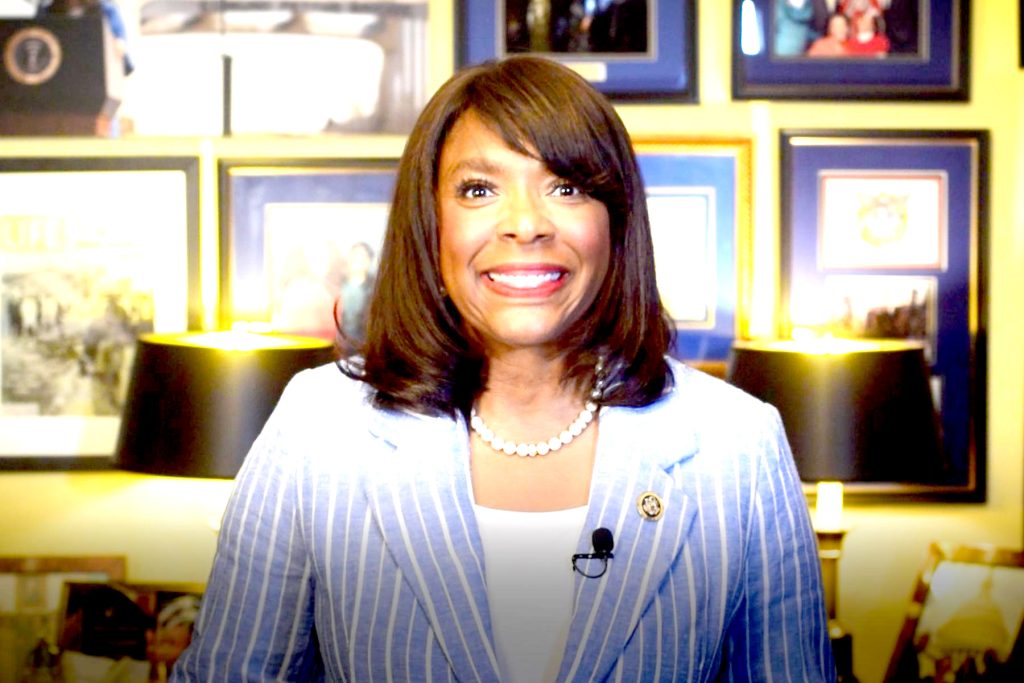
BIRMINGHAM, Ala. — U.S. Rep. Terri Sewell (D-Birmingham) has released a new report arguing that rising costs for groceries, housing, utilities, gasoline and healthcare are placing increasing financial pressure on families across Alabama’s 7th Congressional District.
The report, released 100 days before Election Day, contends that economic policies under President Donald Trump and congressional Republicans have increased the cost of everyday necessities while reducing access to healthcare and food assistance for thousands of Alabamians.
According to Sewell’s report, Alabama families are paying an average of $2,700 more each year for basic living expenses. The report also states that households in the 7th District now spend an average of $1,110 per month on groceries, while electricity costs increased by an average of $233 during 2025.
Among the report’s other findings, the average Alabama household has spent $686 more on gasoline, annual child care costs for two children have climbed to $16,640, and more than 81,800 Alabamians have reportedly lost Supplemental Nutrition Assistance Program (SNAP) benefits under recent federal budget changes.
Sewell also warned that approximately 24,000 residents in Alabama’s 7th District could lose health insurance coverage because of changes affecting Medicaid and the Affordable Care Act. She said roughly 70,000 people are expected to face higher health insurance premiums after enhanced Affordable Care Act tax credits expired.
“Alabama families deserve an economy that works for them—not just the wealthy and well-connected,” Sewell said while promoting House Democrats’ “Fighting for an Affordable America Agenda,” which focuses on lowering the costs of groceries, housing, fuel and healthcare while increasing government accountability.
The report also notes that more than 20,000 Alabama individuals and families filed for bankruptcy in 2025, representing a 6.7% increase from the previous year.
Republicans have defended their economic policies, arguing they are focused on reducing inflation, encouraging investment and promoting long-term economic growth.