


by SPEAKIN’ OUT NEWS
Fiscal Year 2027 Legislative Branch Appropriations Bill.
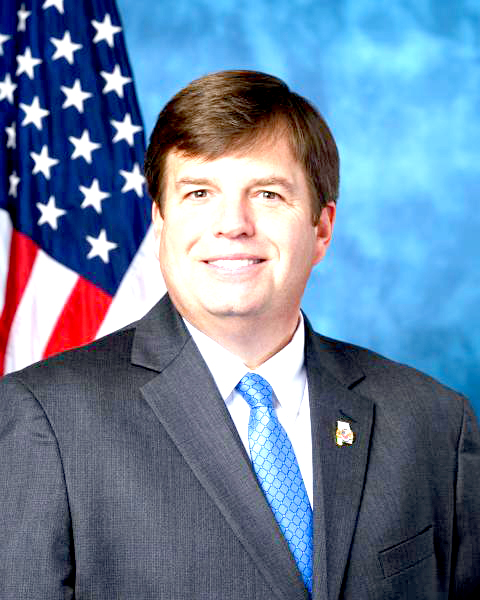
U.S. Representative Dale Strong is praising the House Appropriations Committee’s passage of the Fiscal Year 2027 Legislative Branch Appropriations Bill, calling it another step toward a more disciplined federal budget process.
The bill is the seventh of twelve annual spending measures advanced by the committee this year. Strong said the progress shows a commitment to funding the government through regular order instead of last-minute crisis negotiations.
“We have a fundamental responsibility to fund the government the right way, through regular order and with strict fiscal discipline,” Strong said.
The legislation provides funding for congressional operations, constituent services, and security across the U.S. Capitol complex. Supporters say the bill is designed to maintain public access to the Capitol while also protecting staff, visitors, and officers who work there.
According to Strong, the measure also focuses on taxpayer accountability. It would reduce spending below last year’s enacted level for House and joint congressional operations. It would also require unused funds from congressional office operations and constituent services to be returned for debt and deficit reduction rather than additional spending.
The bill also increases funding for U.S. Capitol Police officers and civilian employees who support their mission.
For North Alabama residents, the debate connects to a larger question: whether Congress can pass spending bills on time while limiting waste and maintaining public services.
Strong said advancing another appropriations bill reflects a push to move away from Washington’s “usual crisis-governing.”
As federal budget fights continue, the bill now stands as part of a broader test of whether lawmakers can fund essential operations, protect taxpayers, and keep government working without another deadline-driven scramble.