


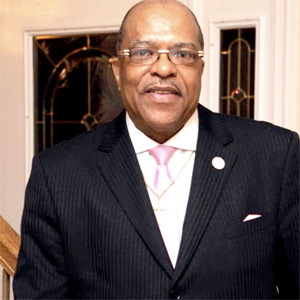
By: REV. DR. ISAIAH ROBINSON, JR.
KEY VERSE: There will always be poor people in the land. Therefore I command you to be openhanded toward your fellow Israelites who are poor and needy in your land. (Deuteronomy 15: 11, NIV).
INTRODUCTION: At times, we may experience doubts or hesitation about helping those who seek our assistance. the passages from Deuteronomy and Matthew 25 reveal God’s command to give generously to those in need. Modern life is complicated. We are consistently and constantly bombarded with variously with “needs,” but man are wants that might make life less difficult, more convenient, and/ more entertaining. And we still have bills, real bills that come every month. Nonetheless, God calls us to give generously. As tight as our budgets maybe, God demands that we, give according to how He has blessed us. On brink of the promised land, the people are given laws to be generous, however, to be not laws but creating a just society in which no one lacks. God is concerned for all members of the community, not just the well to do, but also but also to those who need help.
Easing the Burden of Poverty Should Be a Human Endeavor (Deut. 15: 4-6).
Some assume poverty is inevitable and left for God to solve. Yet, Scripture places the responsibility for easing poverty on the covenant community itself. god blesses His people His people with abundance so that no one needs to suffer lack. Tithes ensure that the house of God, its workers, and the poor were cared for. Jesus affirmed this principle, reminding His disciples, “the poor you have with you always.” This was not an excuse for neglect, but a mandate to be continually attentive. Poverty is not tied in this passage to laziness, race or personal failure. Instead. Instead, it is a human reality requiring a compassionate response. But not all lack stems from refusal, illness, hardship, and circumstance often prevent individuals from response working. God commands His people to meet need without judgment.
Generosity Makes Room for More (Deut. 15:7-11).
God’s Law commanded not only to care for but towards cheerful generosity. Israel’s history’s demonstrated that God’s people thrived when they practiced openhanded giving . Jacob’s descendants entered Egypt during a famine but later departed with riches. In the wildness, they received manna with instructions not to hoard. In Canaan, the law of debt releases every seventh year required trust in God’s provision. Though lenders feared loss, obedience promised blessings. God’s logic is simple generosity makes room for more. Hoarding leads to emptiness, but generosity multiplies blessings for both the giver and the receiver. This is a spiritual principle that beliers must grasp as we grow in a our discipleship to Christ. As we give, we prove to God that we are capable of handling more than we previously had. Giving is literally a multiplier of grace. So as we give grace abounds more fully.
When You Ignored the Least of These You Ignored Christ (Matthew 25:42-45)
Jesus identified Himself with the poor and marginalized. To neglect them is to neglect Him. This is startling because God owns all. Yet, locates Himself in the face of the hungry, the naked, the stranger, and the imprisoned. Prosperity is not always proof of divine favor, nor poverty evidence of divine absence. We should never equate one with the other. It is the material of one’s life that determines whether or not God has blessed a person, not material wealth, titles, nor position.
Giving to the least is giving to Christ Himself. Ignoring to the least of these, is rejecting His presence. God measures devotion not by ritual alone but by compassion in action.