

By SPEAKIN’ OUT NEWS
HUNTSVILLE, Ala. — A growing national health movement is gaining traction across the Tennessee Valley, as advocates call for stronger protections against emerging contaminants in drinking water and food systems.
The “Make America Healthy Again” (MAHA) movement is amplifying concerns about environmental exposure following recent federal actions involving agricultural chemicals. A February executive order aimed at increasing domestic production of glyphosate-based herbicides has drawn criticism from MAHA supporters, who argue it conflicts with promises to reduce harmful chemical exposure.
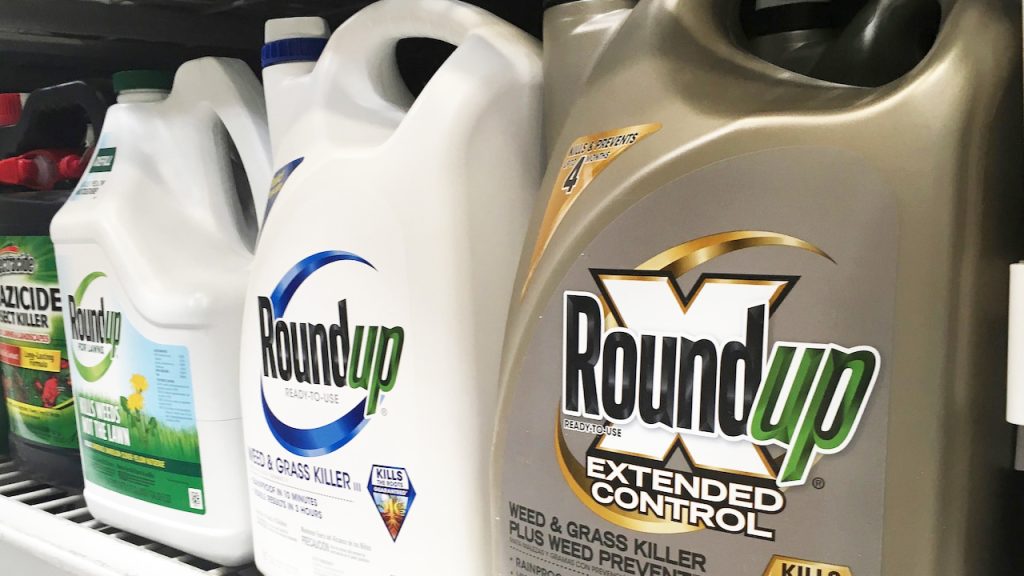
Glyphosate, a widely used herbicide found in products like Roundup, has been the subject of thousands of lawsuits alleging a link to cancer, though manufacturers continue to dispute those claims. The chemical’s role in agriculture—and its potential impact on public health—has intensified debate nationwide.
U.S. Health and Human Services Secretary Robert F. Kennedy Jr., a leading voice in the MAHA movement, has defended the policy as necessary for national and food-supply security, while also acknowledging broader concerns about environmental toxins.
“Pesticides and herbicides are toxic by design,” Kennedy said in a recent statement, noting the need for long-term alternatives.
Local Impact in North Alabama
For residents across Huntsville and surrounding communities, the issue extends beyond national politics. Local advocates point to Alabama’s waterways, infrastructure, and agricultural exposure as reasons to prioritize water quality and transparency.
Experts say research into contaminants such as microplastics and chemical runoff is still evolving, but public awareness is growing.
Community leaders are calling for expanded testing, clearer reporting, and investment in safer environmental practices.
As the conversation continues, one message remains clear:
Clean water and reduced chemical exposure are essential to protecting public health in Alabama’s future.