

By Joseph Ostapiuk
A large study found stark changes in cognitive abilities after COVID-19 infection.
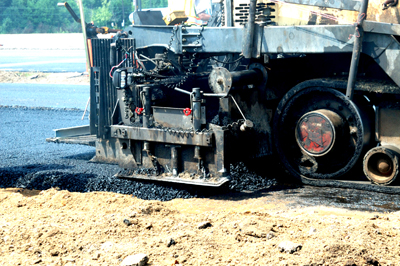
An Alabama committee tasked with improving transportation infrastructure Thursday began deliberating how to distribute $40 million to road projects across the state.
The committee, Alabama Transportation Rehabilitation and Improvement Program-II (ATRIP-II), received about $80 million in requests for projects from 45 applications from local governments. Three did not meet certain requirements and were deemed ineligible.
“We have $40 million for the committee to consider allocating this year, as in the last two years,” said Edward Austin, chief engineer for the Alabama Department of Transportation (ALDOT) “How much ultimately between supplemental and new application awards will be up to the committee to decide over the course of the meetings for this fiscal year.”
ATRIP-II is a grant program that helps local governments in Alabama fix and upgrade roads and bridges vital to their communities. The program goal is to make roads safer and boost economic development by investing in these transportation projects.
Most of the discussion was around supplemental requests from previously approved projects, totaling about $7 million from the total requested amount. Of the seven that requested additional funds, four cited rising construction costs due to inflation.

Sen. Arthur Orr, R-Decatur, suggested the committee prioritize applications that offer matching funds in their applications, saying other applicants “need to pony up” and help the state fund projects. Only one of the seven projects seeking supplemental funding, a Spanish Fort project to widen Alabama State Route 225 and add a lane, used matching funds.
“To the extent I’m just one little vote, but as you talk to the supplemental request people, it would be good, if you see fit, let them at least one committee member thinks that having their match is important if they want to get supplemental funding,” Orr said.
ALDOT director John Cooper said that there is no requirement that supplemental applications need to provide matching funds for approval, and the department can’t ask them to do so.
“The committee has often wanted to focus on a match,” he said. “As administrators to the program, we’re not able to say to someone they have to provide a match. We try to indicate that a match may be considered, but many of our applicants, they do not have the ability to match. And we just have to leave that to the committee.”
Rep. Rex Reynolds, R-Huntsville, supported approving all supplemental applications. He said that since the committee has already prioritized these projects, the committee should provide those funds if they are eligible for it. Each project can request up to $2 million.
“We knew these projects could escalate with the economic times that we’re in, so I would be more in favor to support this across the board,” Reynolds said.
Sen. Vivian Davis Figures, D-Mobile, said the committee should consider public safety in their decisions. She suggested they review the health and safety implications of applications.
“If we could be told by each proposal or request, what is the health and safety — which ones are the highest priority that we should take into consideration for public safety,” Figures said.
ADOT staff will provide a ranked list for committee members at their next meeting in January, in which they will consider approving applications, which will be distributed in three tranches over the next year.